
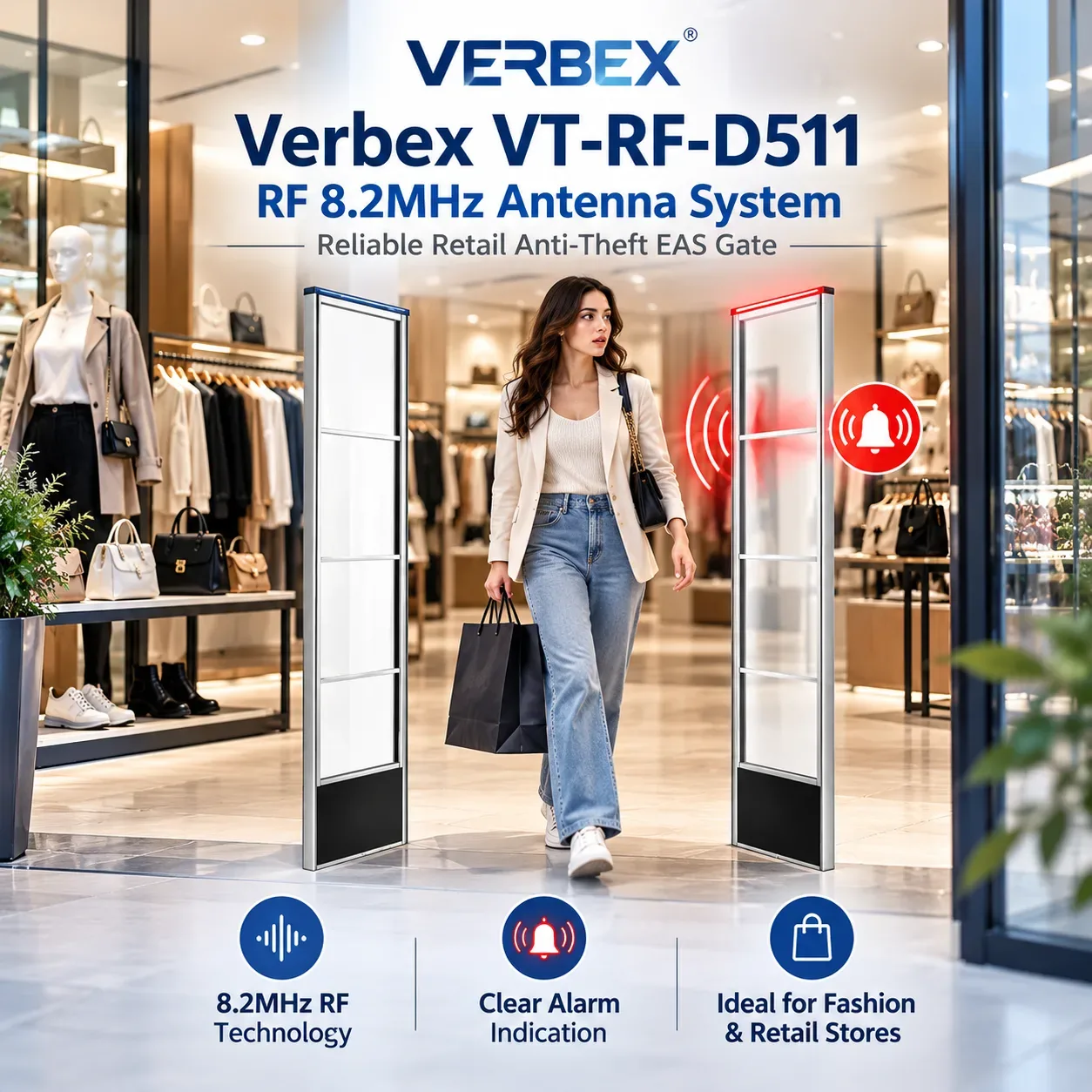
 Deal
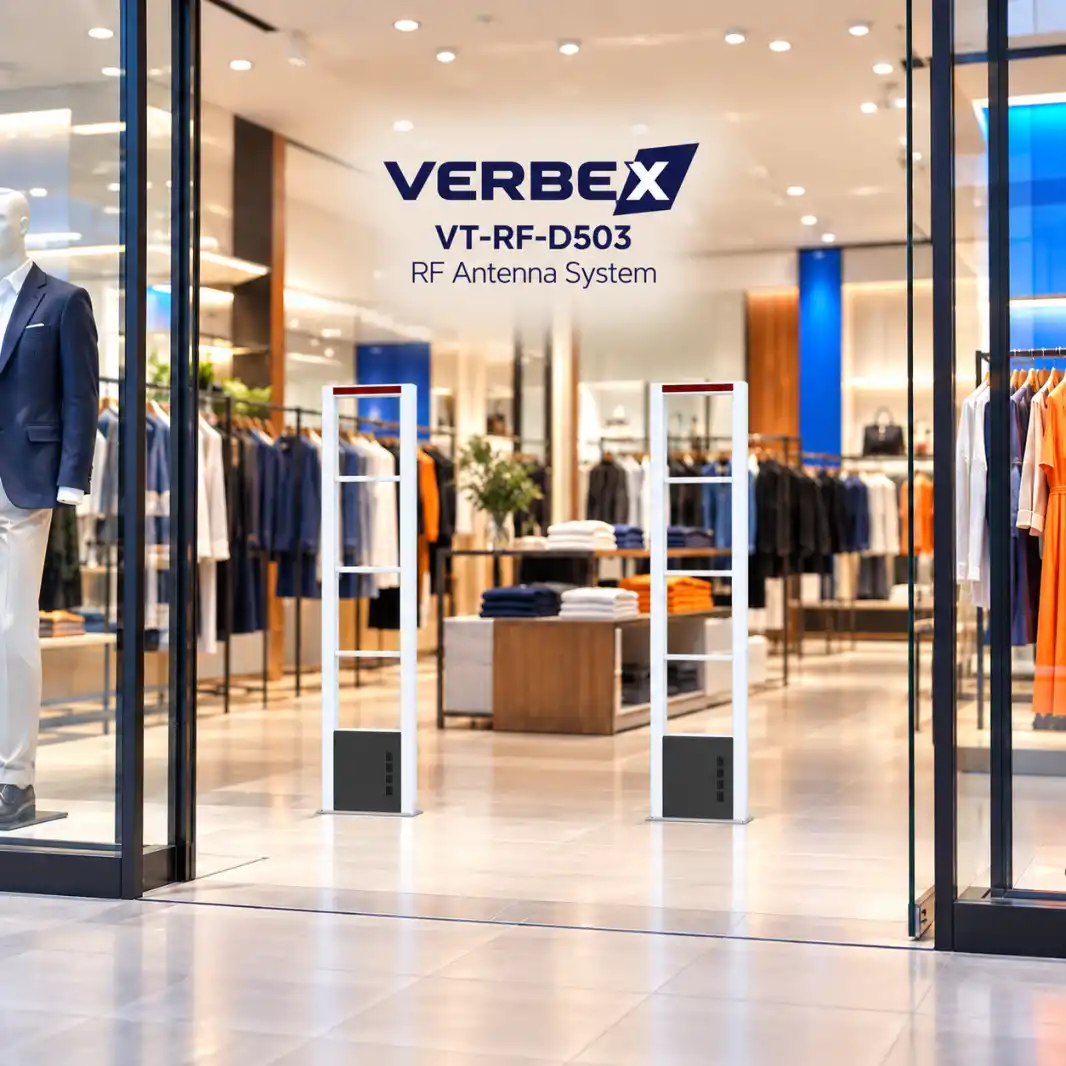
- 8.2MHz Antenna System
- Robust aluminum profiles
- Clear buzzer alarm
৳85,000
EAS Security price in Bangladesh starts from ৳9,500 to ৳85,000; depending on brand, capacity and features. Buy best quality EAS Security from renowned brands at the Verbex Bangladesh online shop, and browse below to place an online order.
Explore Verbex EAS Security solutions for retail stores, supermarkets, clothing outlets, shopping malls, pharmacies, and commercial showrooms. Discover compatible electronic article surveillance equipment, including retail security detection gates, hard tags, adhesive security labels, tag detachers, and label deactivators, according to the available product range. Compare RF and AM technology, entrance configuration, supported tags and labels, checkout procedures, installation requirements, and verified detection performance to choose an appropriate retail loss-prevention solution.

Showing 1 to 12 of 17 products
Deal
৳85,000
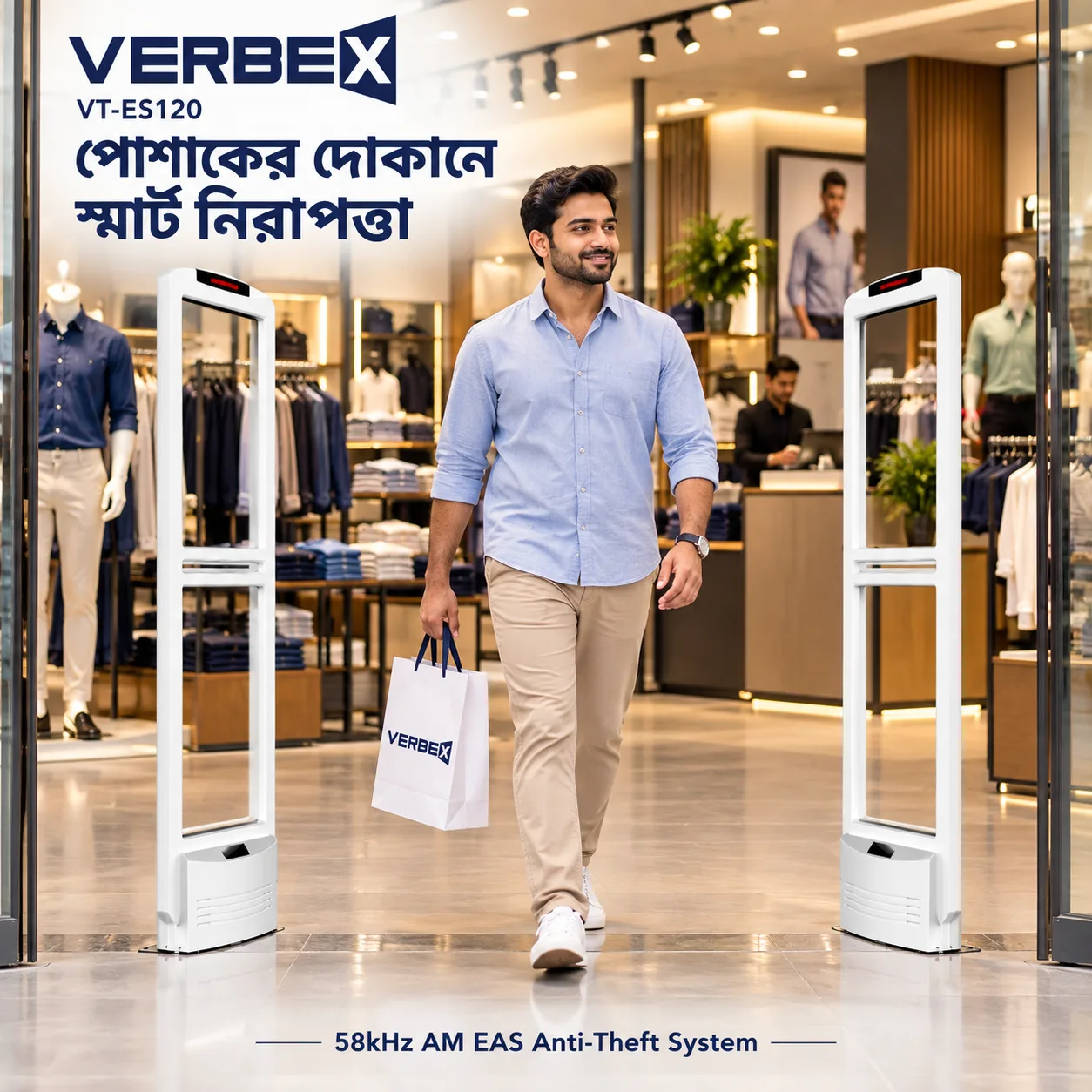 Deal
৳85,000
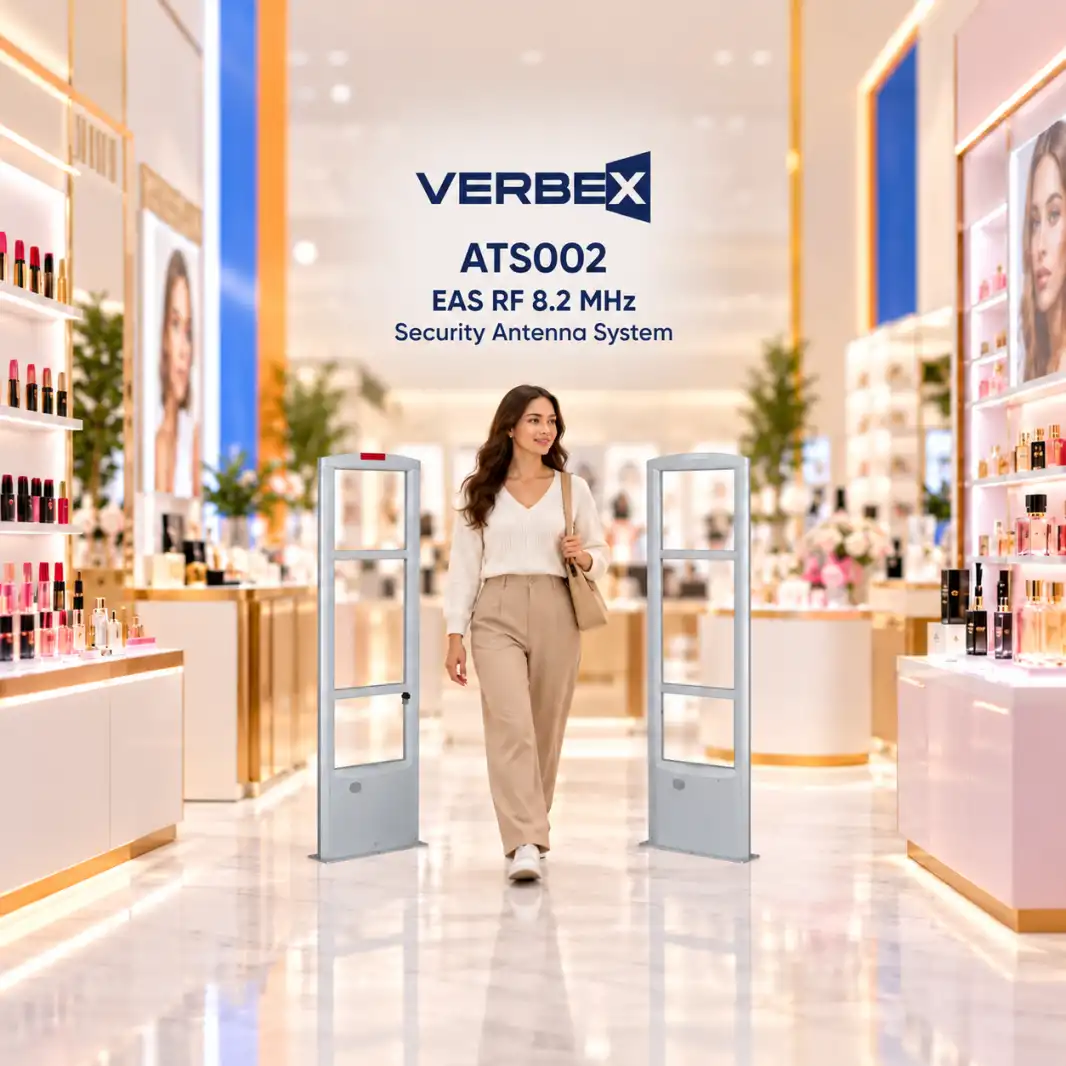 Deal
৳47,500

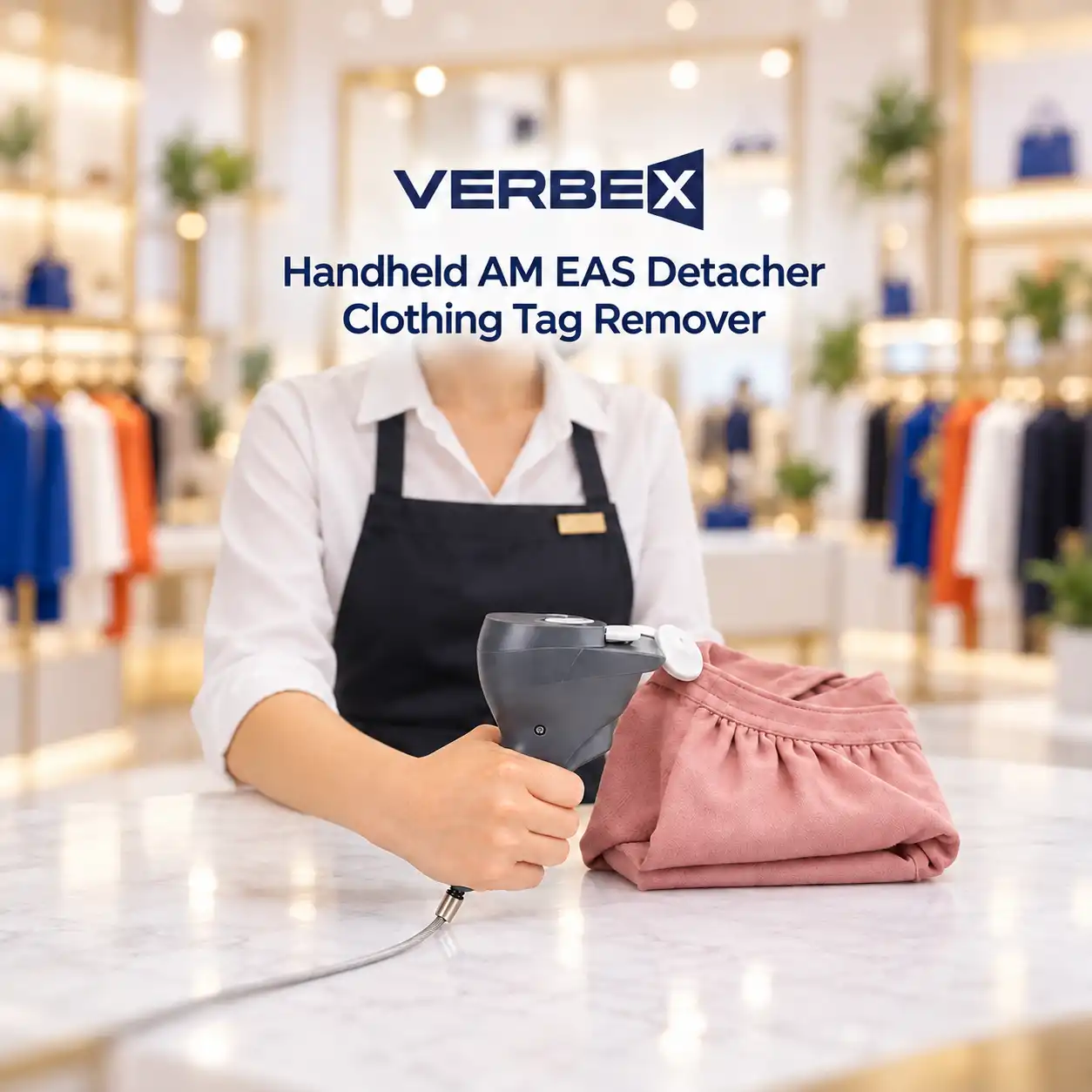
৳9,500
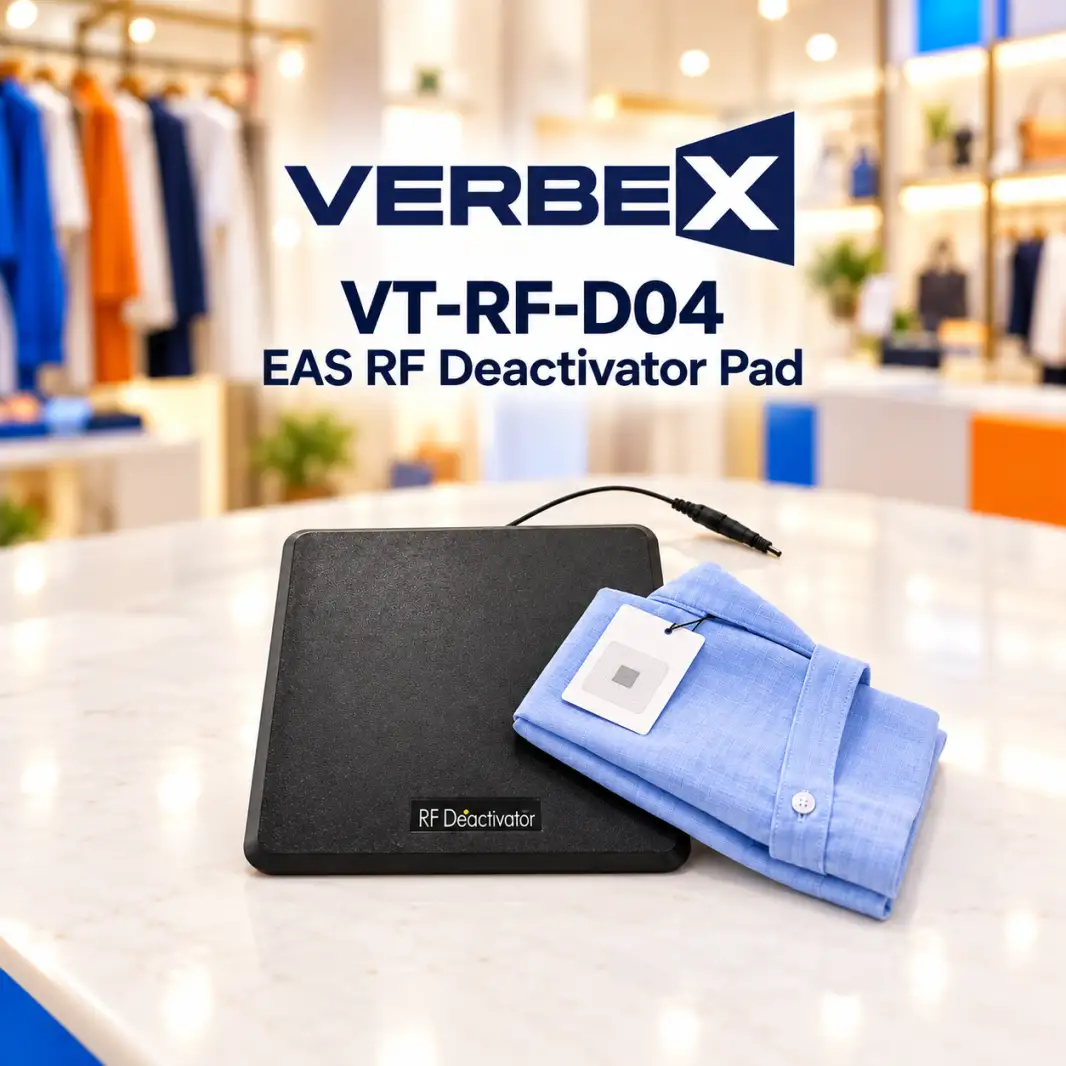
৳18,500
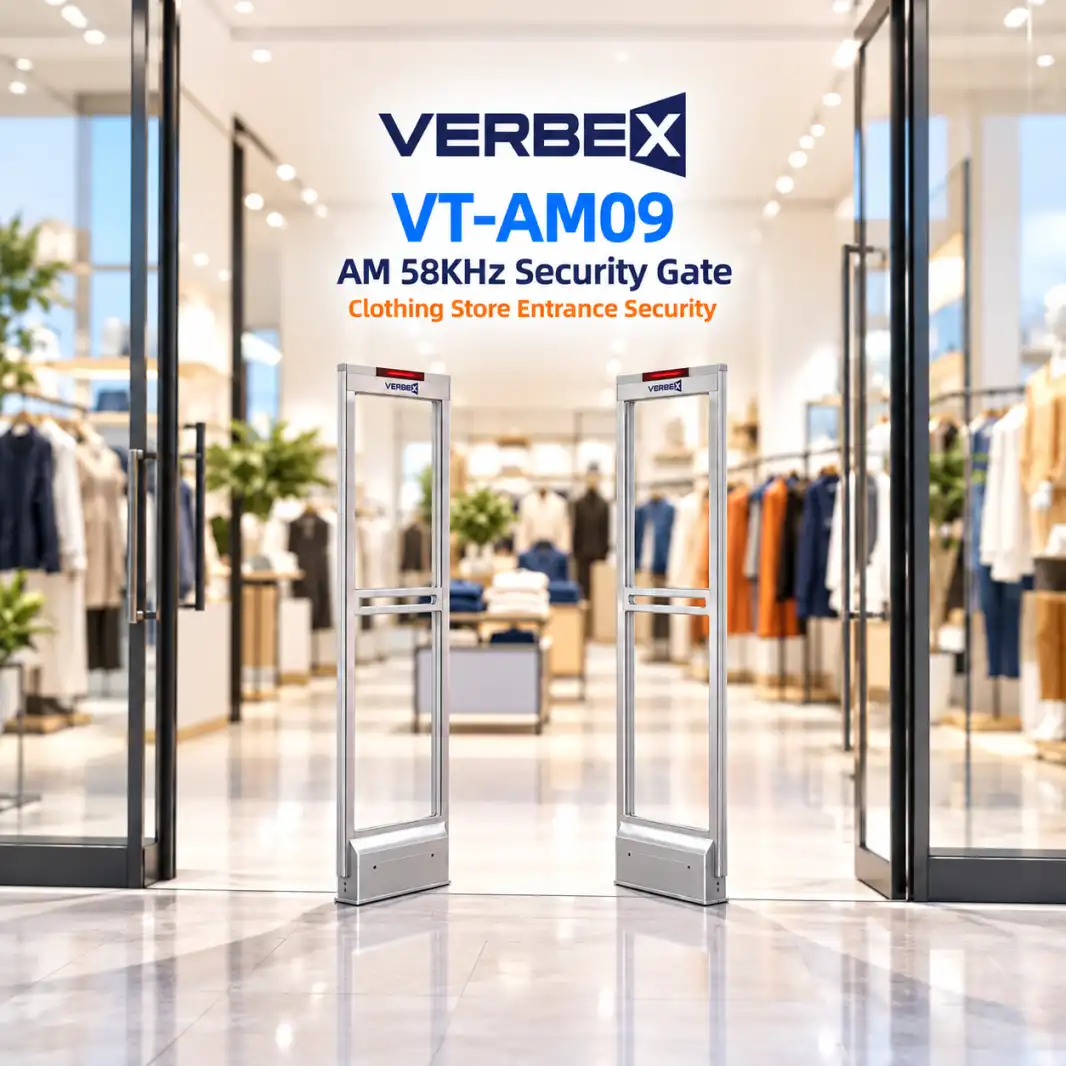
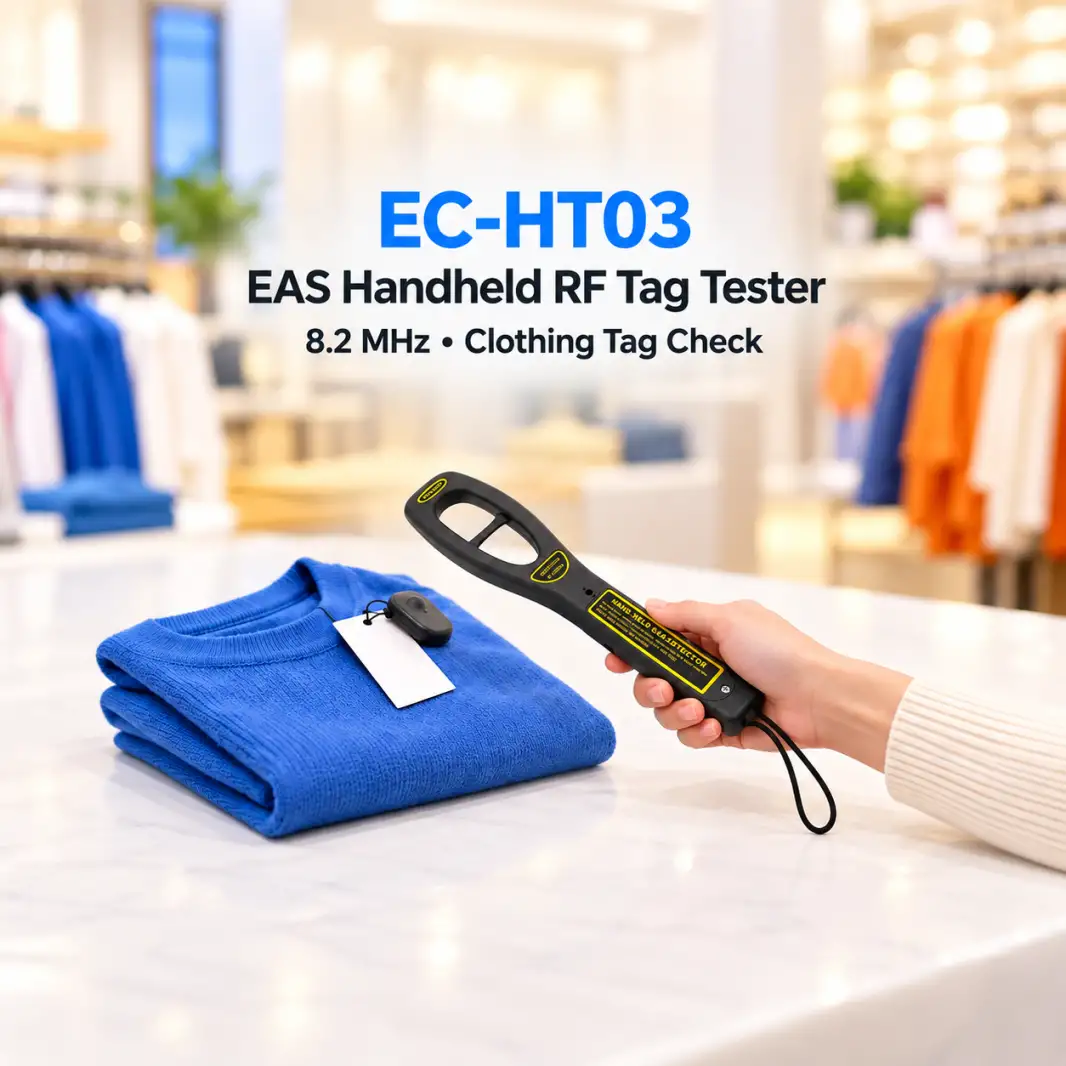
৳15,000
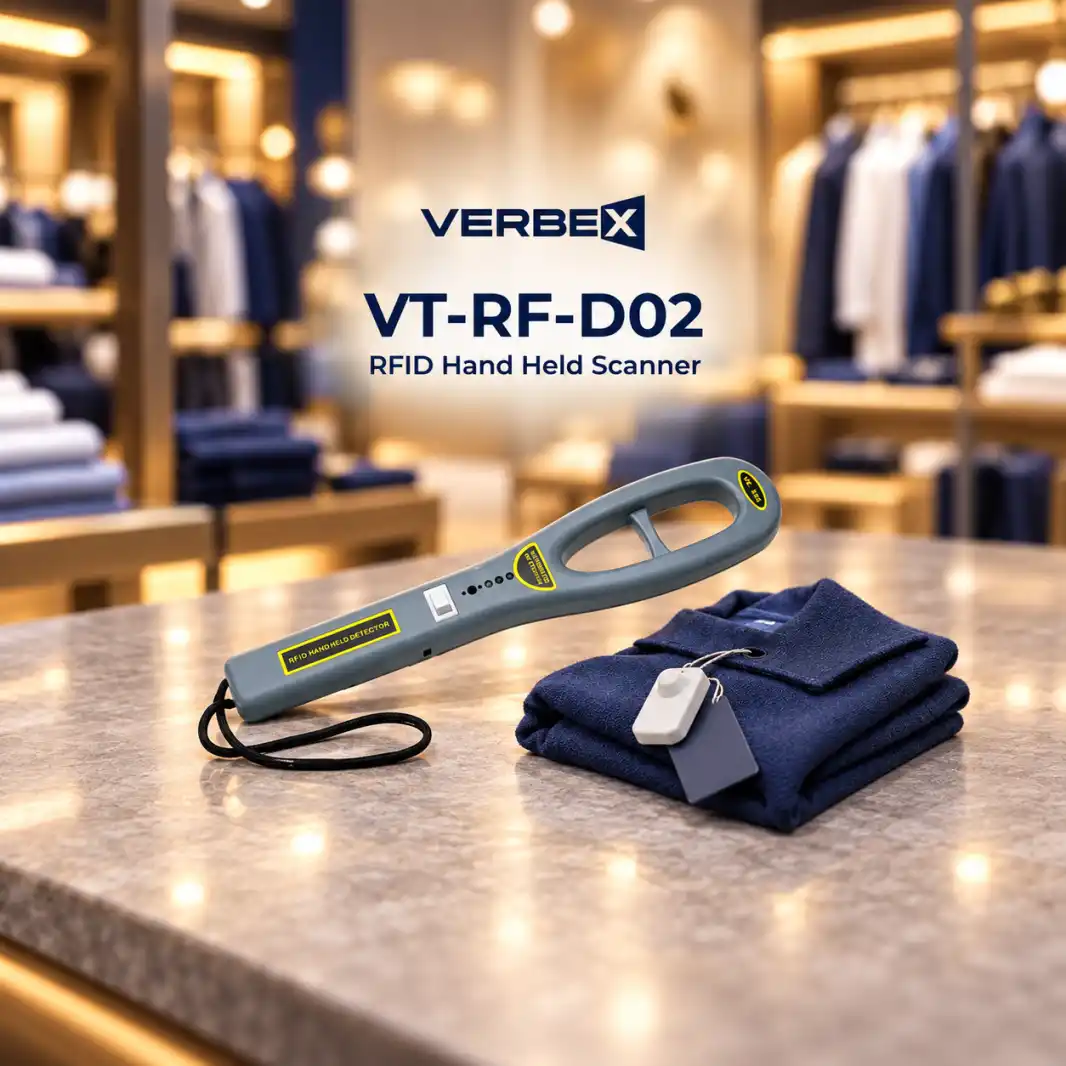
৳65,000
Request a quote
Request a quote
Retail businesses face a continuing challenge in protecting merchandise while maintaining a convenient shopping experience. Clothing stores, supermarkets, electronics outlets, pharmacies, and commercial showrooms may need security systems that help discourage unauthorized removal of tagged products.
Electronic Article Surveillance, commonly known as EAS, is one of the technologies used for retail merchandise protection.
Verbex EAS Security is a professional product category for customers exploring retail anti-theft detection gates, compatible security tags, adhesive labels, detachers, deactivators, and related installation components.
The exact technology, product availability, and performance must be verified for each model.
EAS stands for Electronic Article Surveillance.
It refers to systems designed to detect compatible active security tags or labels when they pass through a monitored detection area.
These systems are commonly used near retail store entrances and exits.
A typical EAS installation includes detection equipment at a store exit and compatible security tags or labels attached to merchandise.
When an active compatible tag enters the detection zone, the system may trigger an audible or visual alarm.
At checkout, authorized staff remove reusable hard tags or deactivate suitable labels according to the system design.
An EAS installation may include security detection gates, antennas, hard tags, adhesive labels, tag detachers, label deactivators, power equipment, and installation accessories.
Not every system uses every component.
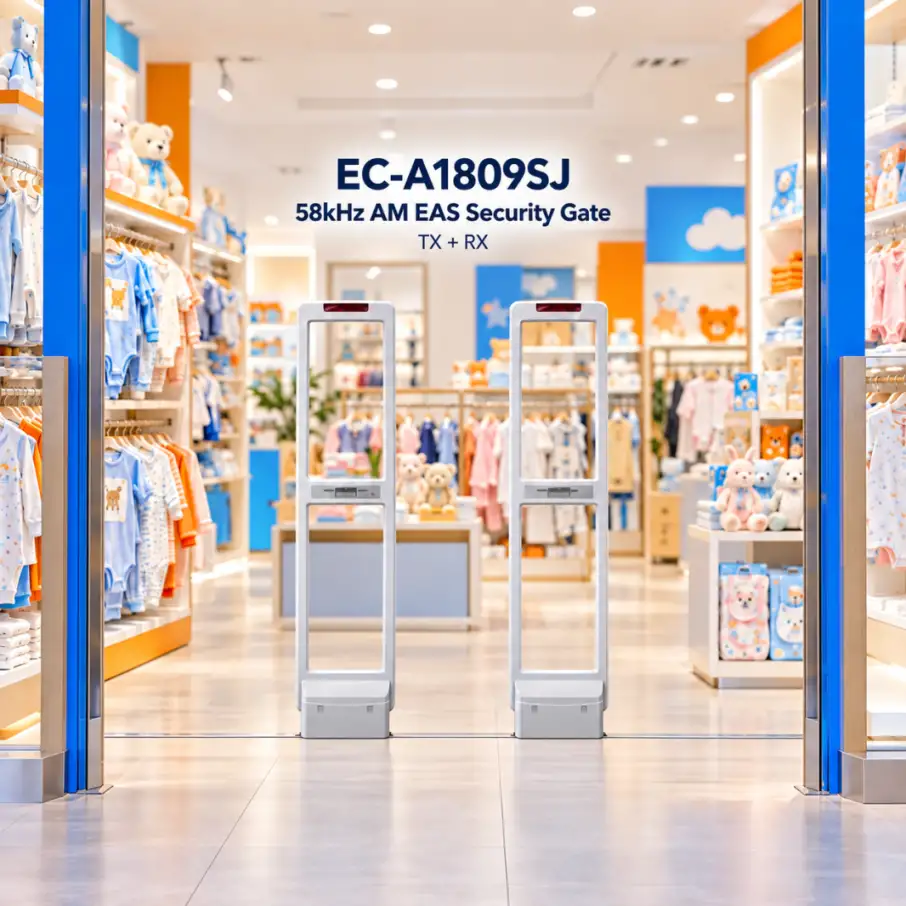
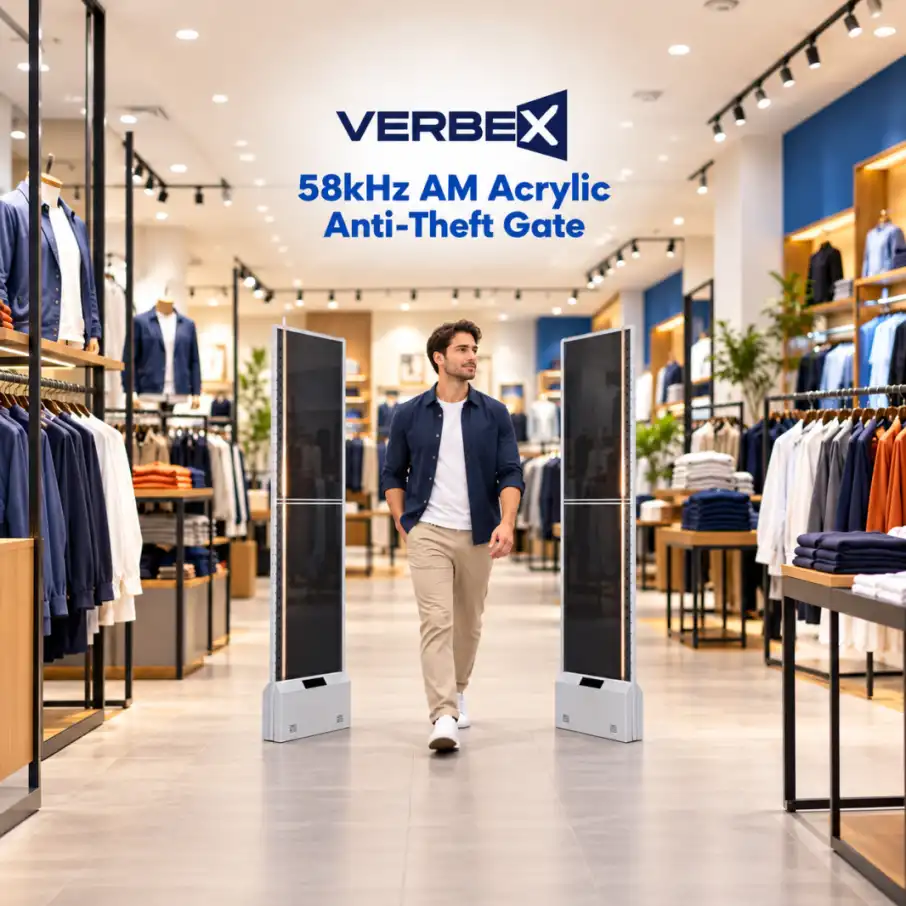
An EAS security gate is installed near a retail entrance or exit to monitor compatible tags or labels passing through its detection zone.
Gate design and detection capability depend on the technology and product.
Detection antennas are a central part of many EAS gate systems.
They generate and monitor signals associated with supported tags or labels.
The number and arrangement of antennas depend on the entrance design.
RF stands for Radio Frequency.
RF EAS systems use compatible radio-frequency security labels or tags.
They are used in various retail environments.
The exact operating frequency and supported accessories must be verified.
AM stands for Acousto-Magnetic.
AM systems use compatible magnetic-acoustic security elements and detection equipment.
They are commonly used for merchandise protection in retail applications.
AM and RF systems generally require different compatible consumables and equipment.
Both RF and AM systems are used for retail theft deterrence.
Their suitability depends on store conditions, product types, entrance configuration, tag design, and equipment performance.
Neither technology should be described as universally superior.
Hard tags are reusable security devices attached to selected merchandise.
They are commonly used on clothing and other suitable products.
The attachment method and tag type must match the merchandise and EAS system.
Clothing security tags are designed to attach to garments without unnecessarily damaging the product when used correctly.
Different tag designs may be suitable for different fabric types.
An EAS security label is a security element that may be attached to product packaging or suitable merchandise.
Some labels are designed to be deactivated at checkout.
Label compatibility and placement must follow manufacturer guidance.
Adhesive security labels may be useful for packaged retail products.
Their effectiveness depends on the label type, placement, merchandise, and compatible detection system.
A tag detacher is a tool used by authorized staff to remove compatible reusable security tags at checkout.
Detachers are not universally compatible with every hard tag.
A label deactivator is used to deactivate supported EAS labels during an authorized sale.
The correct device depends on the EAS technology and label design.
Clothing retailers commonly use security tags to help protect garments.
EAS detection gates may be installed near store exits.
Staff should follow correct tag removal procedures.
Supermarkets may use compatible labels or tags on selected merchandise.
The chosen system should suit the store layout and checkout workflow.
Individual stores inside shopping malls may use EAS equipment at their own entrances.
The installation should consider pedestrian movement, nearby equipment, and available space.
Electronics retailers may use EAS systems for selected packaged products.
High-value display devices may require additional dedicated display security solutions.
EAS alone does not provide comprehensive protection against every type of theft.
Pharmacies may use compatible EAS labels on suitable retail products.
Label selection must consider product packaging and applicable requirements.
Cosmetic retailers may use security labels or specialized merchandise protection methods.
The solution should be selected according to packaging, store layout, and product handling.
Bookstores and similar retailers may use compatible EAS systems for selected merchandise.
Tagging methods should avoid unnecessary damage to products.
Large department stores may have multiple exits and merchandise categories.
Their EAS installation may require several detection points and a coordinated checkout process.
EAS gates are commonly positioned near store entrances or exits.
Their location should support effective monitoring without obstructing customers or emergency evacuation.
Some store entrances can be served by a suitable single-aisle detection arrangement.
The configuration depends on gate design and entrance width.
Wider retail entrances may require multiple antennas or detection lanes.
A professional site assessment should determine the suitable arrangement.
Detection distance is influenced by tag size, orientation, antenna design, environmental interference, and installation conditions.
A fixed detection range should not be assumed without verified test data.
Compatible EAS systems may provide audible or visual notifications when a supported active tag is detected.
Alarm characteristics depend on the equipment.
Unremoved tags, improperly deactivated labels, nearby merchandise, and environmental interference may cause unwanted alarms.
Proper checkout procedures and installation can help reduce these events.
EAS and CCTV perform different functions.
EAS detects compatible security tags or labels, while CCTV records or displays visual information.
Both may be used as part of a broader retail security strategy.
A burglar alarm generally monitors specified intrusion events.
An EAS system focuses on detecting tagged merchandise at monitored retail exits.
The systems are not interchangeable.
EAS is commonly used for retail theft deterrence.
RFID can support item identification and inventory applications when designed for those purposes.
Some technologies may overlap in certain systems, but standard EAS equipment does not automatically provide RFID inventory tracking.
EAS detection equipment requires appropriate electrical power.
Power requirements vary by model and installation architecture.
Before installation, assess entrance width, nearby metal structures, electrical equipment, checkout location, and pedestrian flow.
Select compatible tags and labels.
Installation should follow manufacturer instructions.
After installation, verify detection performance using approved compatible test tags.
Test the relevant entrance positions and checkout processes.
Any faults or unwanted alarms should be addressed.
Periodic maintenance may include inspection of detection equipment, power connections, mounting hardware, and tag-removal or deactivation equipment.
Follow the manufacturer's maintenance instructions.
Retail staff should understand how to attach tags, remove reusable tags, deactivate labels, and respond appropriately to alarms.
An EAS alarm alone does not establish that theft has occurred.
Store procedures should prioritize customer dignity and safety.
Start by identifying the store type, merchandise, entrance dimensions, and checkout arrangement.
Then compare RF and AM options, compatible tags, gate configuration, electrical requirements, and verified performance.
Verbex EAS Security is a relevant category for retailers, store owners, shopping mall operators, and security installers seeking merchandise protection equipment.
A properly selected and maintained EAS system can support retail loss-prevention procedures.
Explore available Verbex EAS Security products and compare verified specifications, compatible accessories, and installation requirements.