
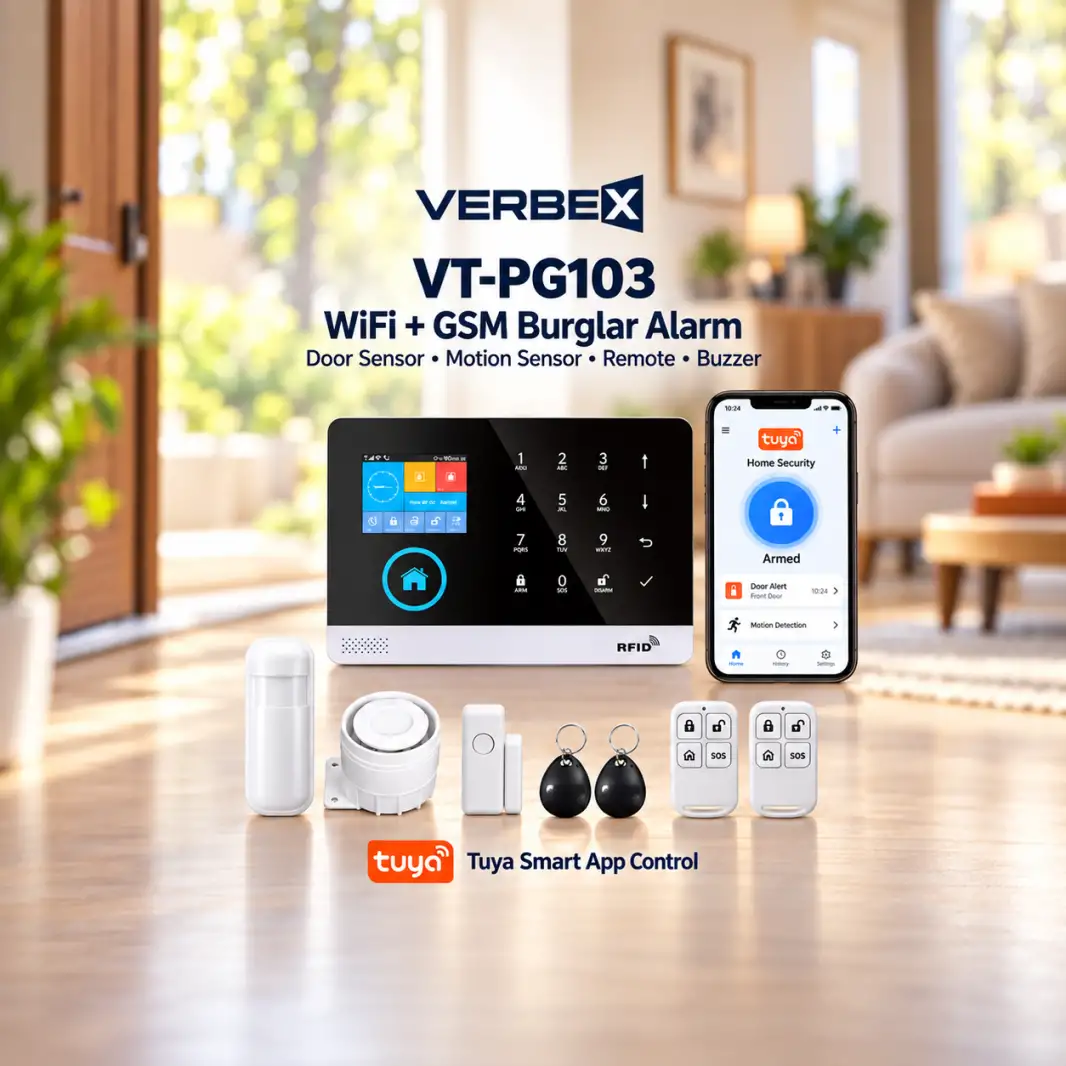
 Deal
- 433MHz wireless alarm system
- WiFi connectivity
- Supports wireless PIR motion sensors
৳7,500
Anti Theft Alarm System price in Bangladesh starts from ৳1,500 to ৳23,500; depending on brand, capacity and features. Buy best quality Anti Theft Alarm System from renowned brands at the Verbex Bangladesh online shop, and browse below to place an online order.
Explore Verbex Anti Theft Alarm Systems for retail shops, supermarkets, showrooms, offices, warehouses, and commercial asset protection applications. Depending on the selected technology, compatible security equipment may help detect defined theft-related events, unauthorized movement of protected items, or intrusion into monitored areas, and activate supported alarm notifications. Compare available Verbex anti-theft control units, security sensors, alarm sirens, retail detection equipment, power requirements, connectivity options, and documented compatibility to select an appropriate security solution.

Showing 1 to 12 of 13 products
Deal
৳7,500
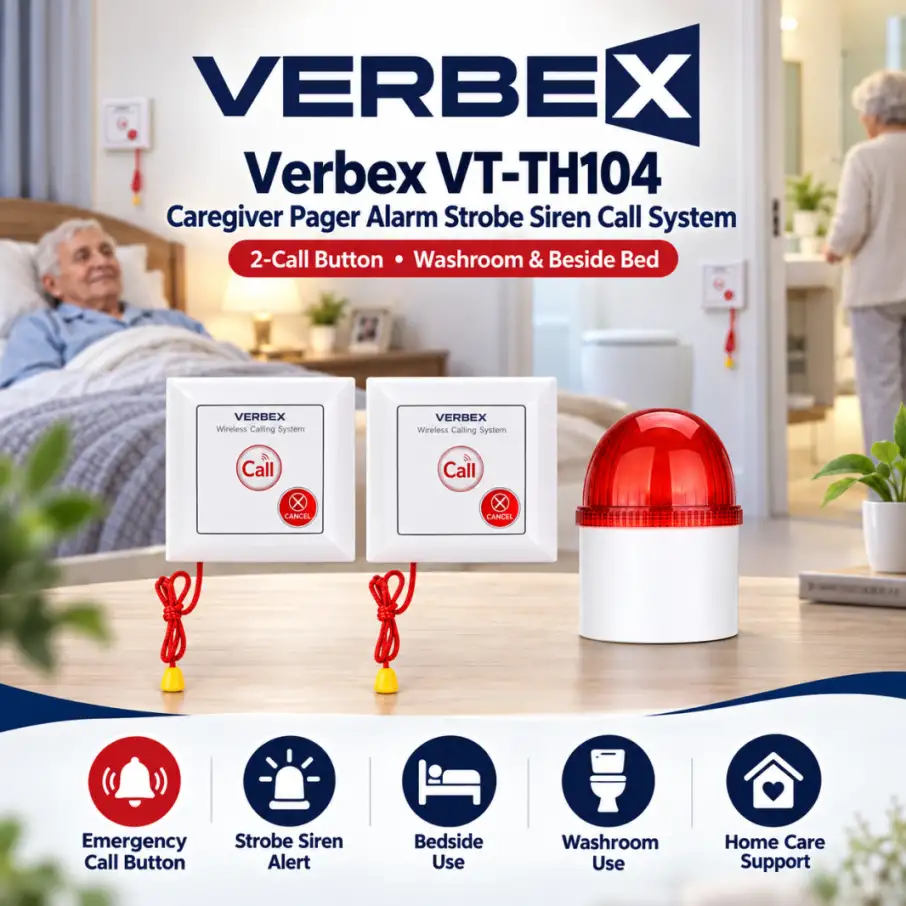 Deal
৳4,000
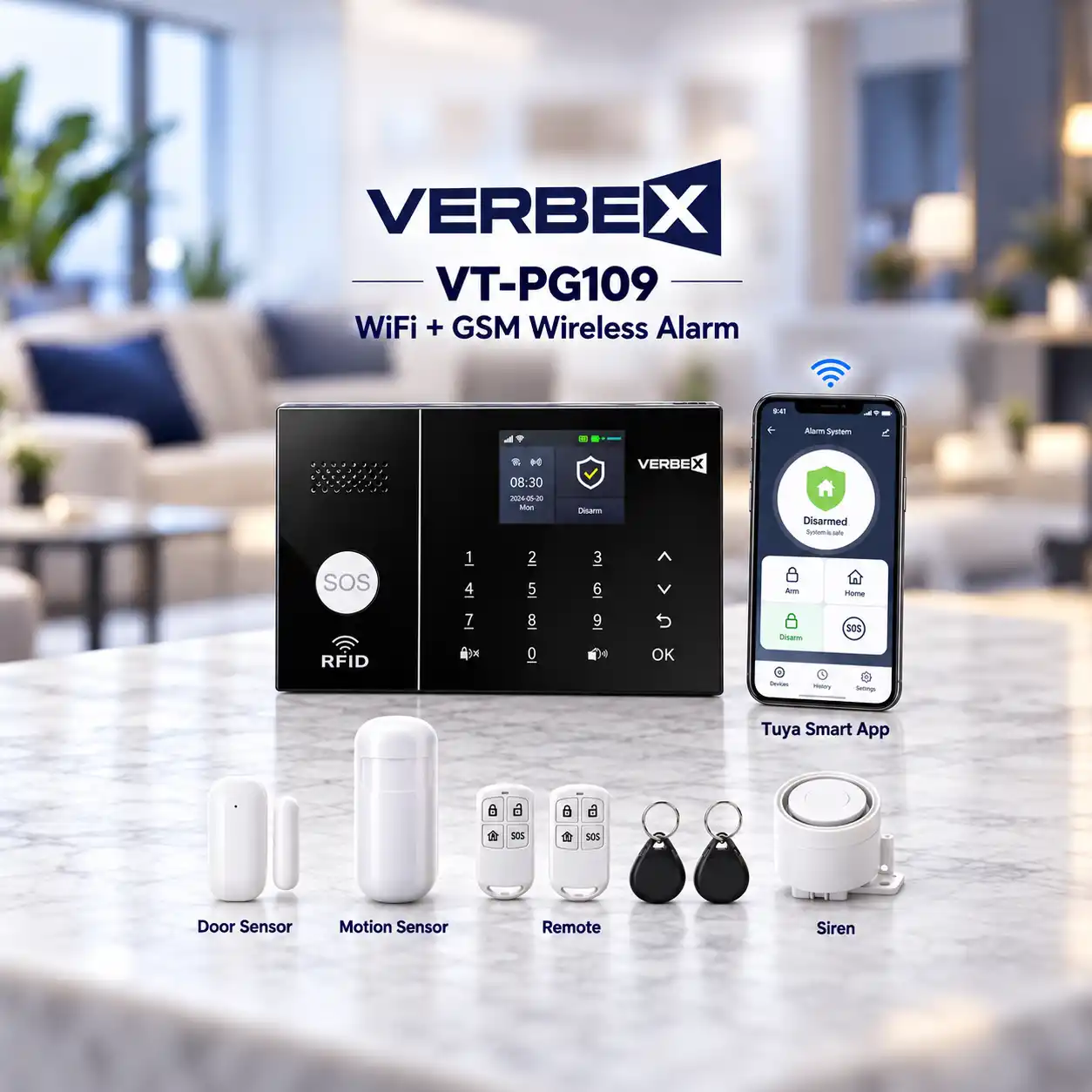 Deal
৳13,500
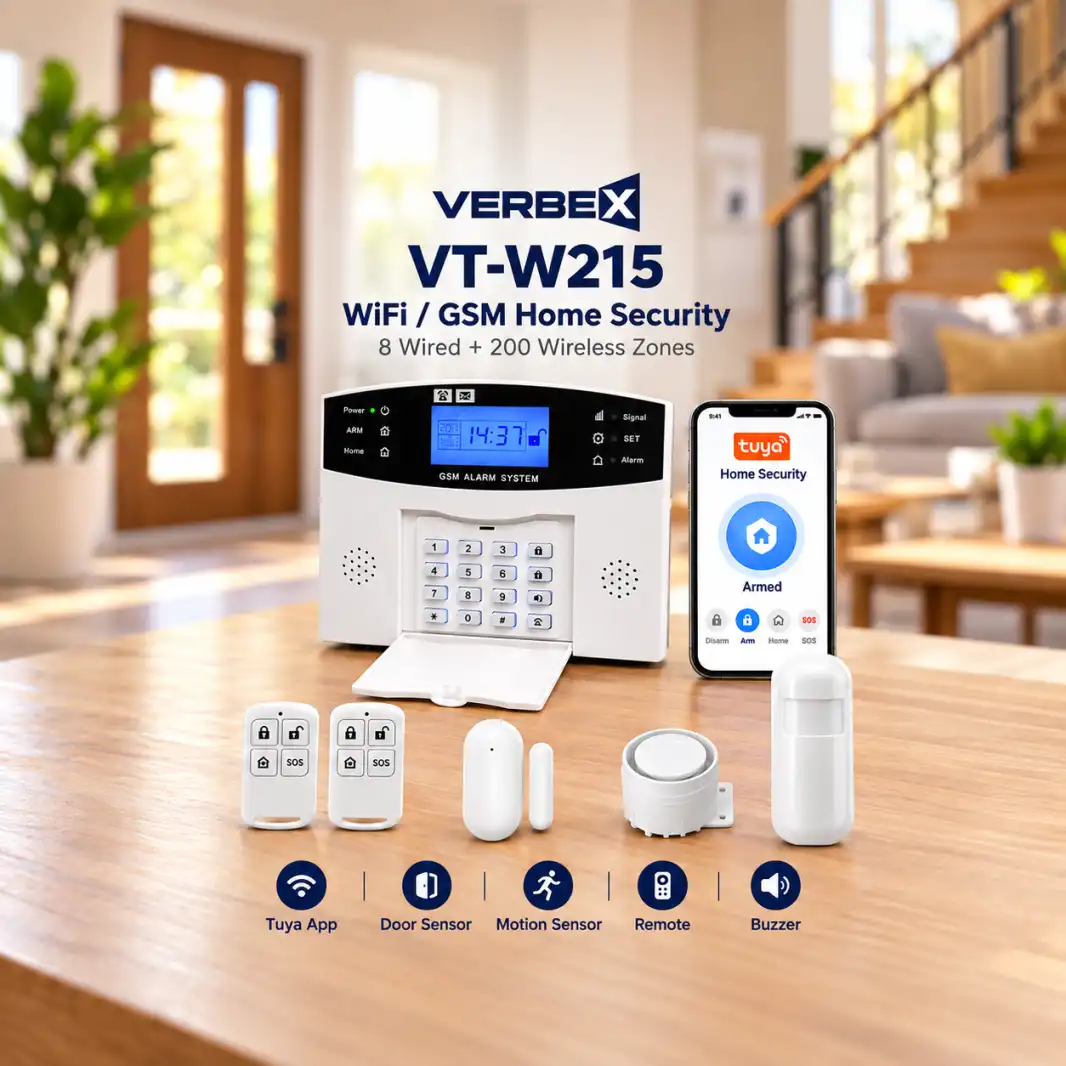 Deal
৳23,500
 Home Security
৳4,500
 Deal
৳290 – ৳450
 Deal
৳990 – ৳1,450
 Deal
৳5,500
৳990 – ৳1,450
৳3,650

৳2,500
৳1,500
Protecting valuable merchandise, electronic equipment, business assets, and commercial premises is an important consideration for retailers, offices, warehouses, and other organizations.
Different properties face different theft-related risks. Retail stores may need to protect merchandise on display, while offices may need to monitor equipment and access points. Warehouses may require protection for stored inventory, and showrooms may need security arrangements for valuable demonstration products.
A suitable Anti Theft Alarm System can support a broader security strategy by detecting specified events and activating appropriate alerts.
Verbex Anti Theft Alarm System is a professional security equipment category for businesses exploring electronic theft detection, retail merchandise protection, security sensors, alarm control equipment, sirens, and related asset protection solutions.
Actual functions depend on the selected products and verified compatibility.
An anti-theft alarm system is an electronic security arrangement intended to detect certain conditions associated with theft, unauthorized handling, or unauthorized access.
Depending on the technology, it may monitor a protected item, an access point, or a defined area.
When a qualifying event occurs, the system may activate a compatible alarm.
No single technology is suitable for every theft scenario.
The operating principle depends on the type of system.
A sensor-based installation may detect movement, separation, opening, or another defined condition.
A compatible control unit processes the signal and initiates a programmed response.
Retail electronic article surveillance systems use a different detection arrangement involving compatible tags and detection equipment.
These technologies should not be treated as interchangeable.
An anti-theft installation may include a control unit, security sensors, alarms, tags, detection antennas, power equipment, and mounting accessories.
The components depend on whether the application involves retail merchandise, fixed equipment, or property access.
Not every package includes the same equipment.
Some anti-theft systems use a central control unit.
It may receive signals from connected or paired security devices.
Supported inputs, outputs, alarm settings, and communication interfaces vary by model.
Electronic Article Surveillance, commonly called EAS, is a retail security technology used with compatible tags or labels and detection equipment.
When an active compatible tag passes through a monitored detection zone, the system may trigger an alert.
EAS capability should only be claimed for products specifically designed to support it.
Retail security tags may be attached to selected merchandise.
Different technologies and attachment methods are used for different product categories.
A tag must be compatible with the relevant detection system.
Tags alone do not provide complete theft prevention.
Some retail applications use adhesive security labels.
These may be suitable for selected packaged products.
The label technology must match the detection equipment.
Application and removal procedures should follow manufacturer instructions.
Certain retail anti-theft systems use detection antennas or gates positioned near designated store exits.
They are designed to work with compatible tag technologies.
Detection performance depends on the equipment, installation, and surrounding environment.
Electronics showrooms and other retailers may require protection for demonstration products.
Specialized display security equipment may detect certain unauthorized removal or disconnection events.
The supported product types and attachment methods depend on the security device.
Some merchandise protection systems use cables or tethered sensors.
These may help monitor selected displayed items.
Cable strength, alarm triggering conditions, and product compatibility must be verified.
Motion detectors can support security monitoring in selected areas.
However, ordinary PIR motion detectors are primarily designed to detect certain movement conditions rather than identify theft itself.
They should be used within an appropriate security design.
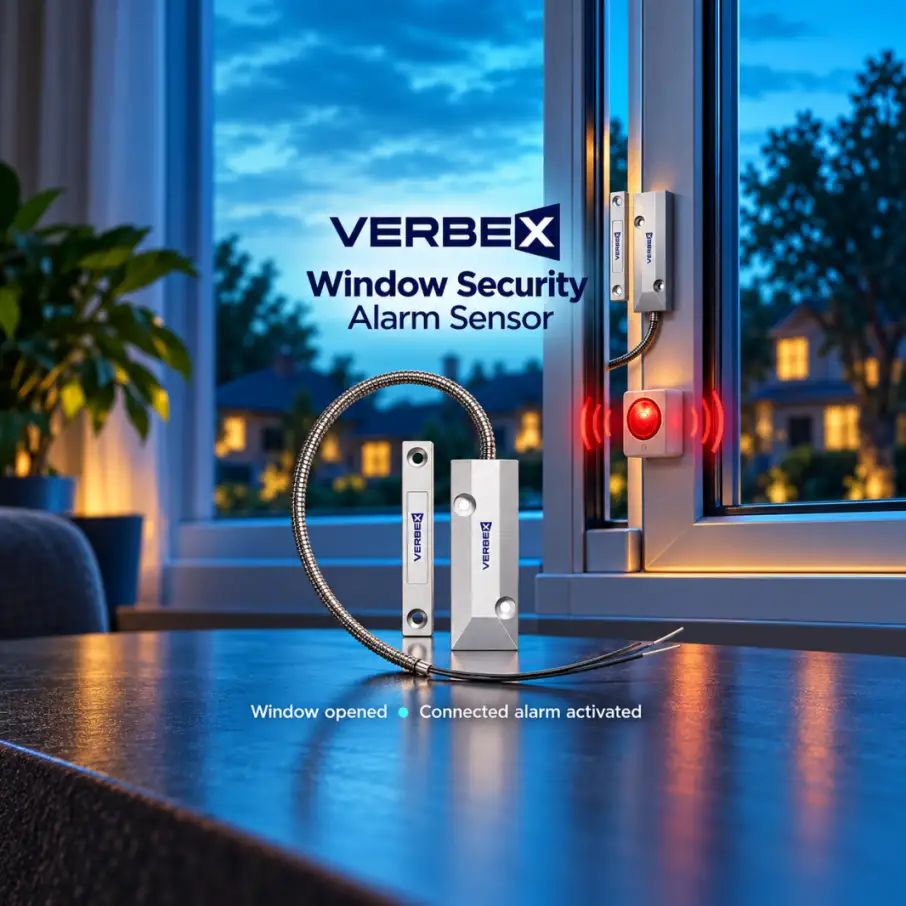
Door and window contacts can monitor selected access points.
They may help identify opening events during protected periods.
These sensors do not necessarily detect merchandise removal.
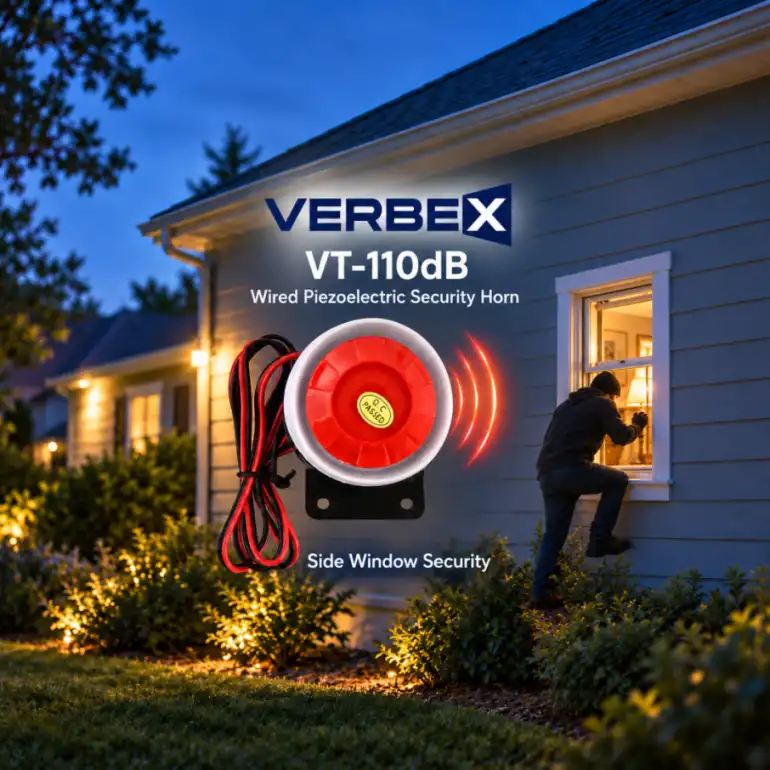
A compatible siren can produce an audible warning when an anti-theft system triggers an alarm.
The output level, mounting method, and environmental suitability depend on the product.
A siren does not guarantee that theft will be stopped.
Some security equipment supports visual notification.
A light or indicator may accompany an alarm event.
The available functions depend on the specific system.
Retail shops may use anti-theft equipment to protect merchandise and selected access points.
The appropriate system depends on store size, product type, customer movement, and security procedures.
A professional assessment can help identify suitable equipment.
Supermarkets handle large numbers of products and customers.
Retail security arrangements may include EAS equipment where appropriate.
Tagging procedures, checkout processes, and customer flow should be considered.
Clothing retailers may use compatible merchandise security tags.
The selected technology should suit garment materials and store operations.
Staff must follow appropriate tag removal procedures at checkout.
Electronics stores may display smartphones, tablets, and other devices.
Specialized display security solutions may help monitor selected demonstration products.
Compatibility and installation requirements vary by product.
Jewelry shops and other high-value retailers often require layered security.
Anti-theft alarm equipment may form one part of the overall arrangement.
Physical protection, controlled access, surveillance, and appropriate staff procedures remain important.
Offices may need to protect computers, equipment, and restricted storage areas.
Appropriate security sensors can support defined monitoring requirements.
The chosen solution should match the asset and environment.
Warehouses may contain inventory and valuable equipment.
Security planning can include monitoring of selected access points and protected areas.
Large facilities may require multiple security technologies and professional installation.
Pharmacies and specialty stores may require security arrangements suited to their merchandise.
The appropriate technology depends on products, storage requirements, and customer access.
Security equipment should not interfere with regulated handling procedures.
Hotels may need to protect selected equipment or controlled-access areas.
An appropriate anti-theft arrangement can support property security.
However, different hospitality environments may require different technologies.
Wired equipment uses physical connections for power, signaling, or both.
It may be suitable for permanent installations or certain display security applications.
Cable management and installation quality are important.
Some anti-theft systems use wireless communication.
Wireless solutions may reduce cabling in certain installations.
However, coverage, interference, battery maintenance, and signal supervision must be considered.
A system may provide local sound or visual notifications.
Some advanced equipment may support remote notifications.
The available notification methods depend on the product and service configuration.
Certain security platforms may support integration with video surveillance equipment.
However, anti-theft alarms do not automatically work with all CCTV systems.
Integration must be confirmed through technical documentation.
Some security installations combine intrusion detection and access management.
However, anti-theft equipment is not automatically an access control system.
Compatibility and operational requirements should be assessed separately.
False alarms can result from environmental interference, incorrect installation, incompatible tags, or user errors.
Proper equipment selection, configuration, and training may reduce unnecessary alerts.
No system should be described as completely false-alarm-free.
Before installation, identify the items or areas requiring protection.
Assess entrances, exits, product displays, customer movement, and operational requirements.
Equipment should be installed according to manufacturer instructions.
Regular checks may include sensor function, alarm output, power connections, tag detection, and communication status.
The exact testing procedure depends on the technology.
Faulty equipment should be investigated promptly.
Employees should understand how to operate the system and respond to alarms.
Retail staff may need procedures for handling tags and customer checkout.
Alarm events should be managed professionally and without making unsupported accusations.
Start by identifying what needs protection: merchandise, display products, fixed equipment, or a monitored area.
Then determine which detection technology is suitable.
Compare verified compatibility, installation requirements, alarm functions, power needs, maintenance arrangements, and relevant technical specifications.
Verbex Anti Theft Alarm System is a relevant product category for retailers, showrooms, offices, warehouses, and organizations seeking electronic theft detection and asset protection equipment.
A suitable system can support security operations by detecting certain defined events and generating alerts.
Explore available Verbex anti-theft equipment, compare verified specifications, and choose a solution suited to your business requirements.